Business bank accounts in the Netherlands
Running your business in the Netherlands means you’ll need a business bank account. You an use this to receive payments from clients, pay your suppliers and taxes. Dutch banks offer both traditional in-branch services and online solutions, making it relatively straightforward to get started. In this section we explore your options.
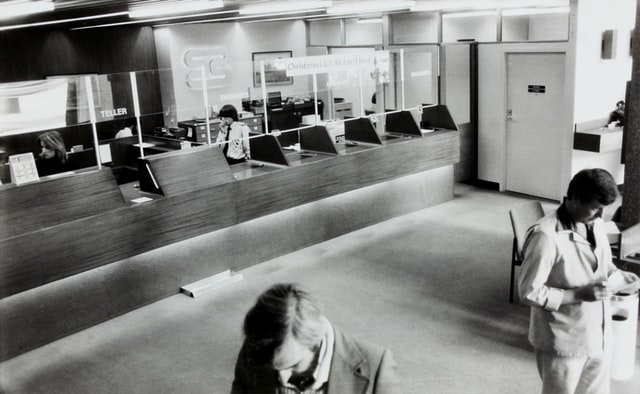
We explore in this section

How it works
A Dutch business bank account is connected to your company rather than to you personally. This means that when you send or receive payments, your business name is shown to clients instead of your personal name, this also applies when you run a sole proprietorship (eenmanszaak). It helps present a more professional image and keeps your business finances separate from your private transactions.
Once opened, you’ll receive:
-
An IBAN business account number
-
Online and mobile banking access
-
Debit cards for business expenses
You can use the account to:
-
Receive your client payments
-
Pay your taxes, salaries and suppliers
-
Connect with your accounting software and invoicing tools
Most banks offer English interfaces and customer support, which is helpful for expats.
What are the requirements
While exact requirements differ per bank, you normally need the following:
-
A registered business at the Dutch Chamber of Commerce (KvK)
-
Your KvK number and tax number
-
A valid passport or ID
-
Proof of address
-
BSN (Dutch citizen service number)
Some online banks have simpler onboarding, while traditional banks may require an in-person appointment. Bare in mind that the checks could take some time, so don't aspect a bank account within days, it normally takes weeks.
Airwallex: Global payments, simplified
Starting or running a business in the Netherlands as an expat comes with unique challenges. Whether you’ve just moved to the Netherlands to launch a new company, are setting up a Dutch BV while your headquarters remain abroad, or manage a remote team across Europe, the UK, or the US, handling international payments can quickly become complicated.
Airwallex is a financial platform supporting expat founders running businesses in the Netherlands. Open your account online in minutes, accept iDEAL/Wero and international payments, and manage EUR and foreign currencies in one place.
With multi-currency accounts, global transfers, and simple payment links, Airwallex helps you run your business locally and internationally without the complexity of traditional banking.
Open your Airwallex account online
If you’re an expat founder building a company in the Netherlands, Airwallex offers a modern alternative to traditional banking.
From accepting iDEAL and Wero payments to managing multi-currency finances and global transfers, the platform helps international businesses operate locally and globally from one account.
How to get a business bank account
-
Register your business at the Chamber of Commerce (KvK)
-
Choose a bank that fits your needs (traditional or online)
-
Apply online or book an appointment
-
Upload documents (ID, KvK extract, address)
-
Wait for approval (can take a few days to a few weeks)
After approval, you can login to your banking environment and start receiving payments. Happy days :).
Are you required to have a business bank account?
You don't need a separate business bank account legally when you run an eenmanszaak (sole proprietorship) in the Netherlands. You are allowed to use a personal bank account for business transactions.
However, banks and the Belastingdienst recommend having a dedicated business account. According to Belastingdienst, keeping your business and private finances separate makes bookkeeping easier, improves transparency and will help you avoid issues during tax checks.
For all the other Dutch legal structures (BV, VOF,..) you are required to have a business bank account.
Recommended banks

Airwallex
Airwallex is a global financial platform who operate internationally, offering multi-currency accounts that allow you to hold and exchange over 20 currencies at interbank rates. The platform provides local Dutch IBANs and account details for over 60 other countries, enabling you to receive payments from global clients like a local without high conversion fees. It is highly suited for scalable businesses, featuring robust tools for expense management.
Qonto
Qonto is a leading European business finance solution that provides expats and SMEs in the Netherlands with a powerful online account and physical Mastercards. The platform streamlines operations by offering Dutch IBANs, automated expense management, and integrated invoicing tools available entirely in English.

Finom
Finom is an Amsterdam-based fintech company that offers a fast, digital-first business banking solution specifically designed for freelancers and small business owners in the Netherlands. It provides a Dutch IBAN within 24 hours and features a fully English-language interface.

ING Bank
ING is the largest bank in the Netherlands that provides a wide range of expat-friendly services. With a handy mobile and online banking app it is easy to arrange your banking affairs.
ABN AMRO
ABN AMRO Bank N.V. is a Dutch bank with headquarters in Amsterdam and is the third-largest bank in the Netherlands. They offer their services for the most part in English and are very welcoming to expats.

GoDutch
GoDutch is a modern Dutch business banking platform designed specifically for entrepreneurs who want speed, simplicity and smart tools. Unlike traditional banks, GoDutch lets you open a business account online in just a few minutes — often with your Dutch IBAN and cards activated within hours. The platform also offers real-time financial insights, expense management and automation features that help you run your business more efficiently.
bunq
bunq is a fully licensed Dutch bank that allows expats to open a business account in just five minutes. The app supports multiple local IBANs and automated VAT bookkeeping, specifically helping freelancers and SMEs stay tax-compliant with minimal effort.